sssssHow AI Integration Changes Product Design

How AI Integration Changes Product Design

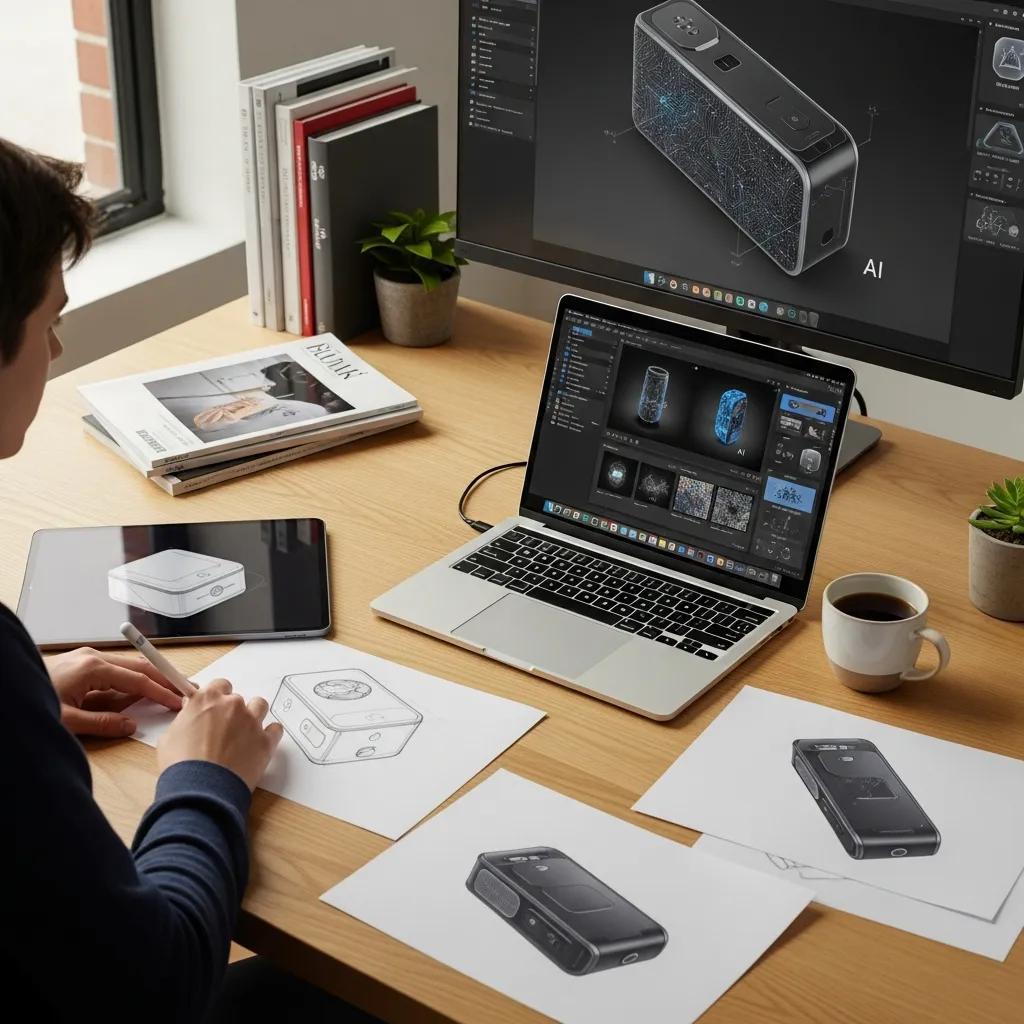
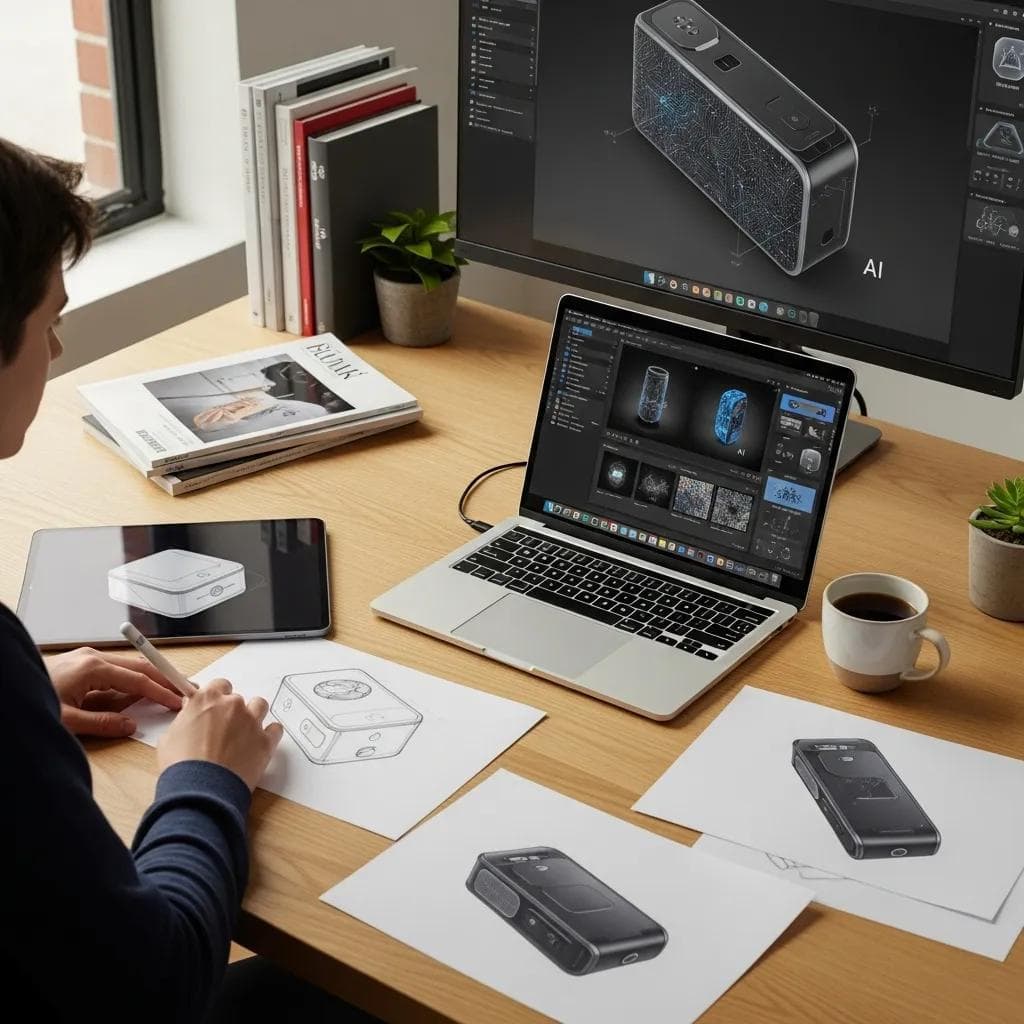
How AI Integration Transforms Product Design for Intelligent Innovation The integration of artificial intelligence (AI) into product design is revolutionizing the way companies approach innovation and creativity. By leveraging AI technologies, businesses can enhance their design processes, improve efficiency, and create products that are more aligned with user needs. This article explores how AI integration changes product design, focusing on its benefits, the tools that facilitate this transformation, and practical steps for implementation. As organizations strive to remain competitive, understanding the role of AI in product design

becomes essential for driving intelligent innovation. We will delve into the key benefits of AI-driven product design, the tools that are reshaping development, and how businesses can effectively implement these technologies. Indeed, the transformative impact of AI on design methodologies and workflows is a widely recognized phenomenon in the industry.

AI Integration in Product Design Workflows

the integration of AI into design methodologies and workflows, and various strategies for integrating AI in Product Design. In the field of product design, AI has become a transformative force. AI-enhanced design: revolutionizing methodologies and workflows, K Patel, 2024

What Are the Key Benefits of AI-Driven Product Design?

AI-driven product design offers several advantages that significantly enhance the creative process and overall efficiency. By automating repetitive tasks and providing data-driven insights, AI allows designers to focus on innovation and creativity. The integration of AI not only streamlines workflows but also improves user experience through personalized design elements.

  1. Enhanced Creativity: AI tools can generate design options that a human designer might

not consider, expanding the creative possibilities. 2. Improved Efficiency: Automation of routine tasks reduces the time spent on manual

processes, allowing teams to focus on higher-level design challenges. 3. Boosted User Experience: AI analyzes user data to create personalized experiences,

ensuring that products meet the specific needs of their target audience.

How Does AI Enhance Efficiency and Creativity in Design Workflows?

AI enhances efficiency in design workflows by automating repetitive tasks such as data entry, rendering, and even initial design drafts. Tools like generative design software allow designers to input parameters and receive multiple design options, which can lead to innovative solutions that might not have been conceived through traditional methods. This capability not only saves time but also encourages creative exploration, enabling designers to push the boundaries of their work. This approach aligns with research highlighting how generative AI empowers designers to explore a broader spectrum of possibilities.

Generative AI for Product Design Innovation Completely

redesigning a product has allowed designers to think beyond their comfort zone and view the multiple alternatives of a design problem.

Generative design approach for product development, PR Shrestha, 2021

In What Ways Does AI Improve User Experience and Personalization?

AI plays a crucial role in improving user experience by analyzing vast amounts of user data to identify preferences and behaviors. This analysis allows designers to create personalized products that resonate with users on a deeper level. For instance, AI can suggest design modifications based on user feedback, ensuring that the final product aligns closely with user expectations. Case studies have shown that companies utilizing AI for personalization see higher customer satisfaction and engagement rates.

Which AI Tools and Machine Learning Techniques Revolutionize Product Development?

The landscape of product development is being transformed by various AI tools and machine learning techniques that streamline processes and enhance creativity. These tools enable designers to leverage data in ways that were previously unimaginable, leading to smarter and more efficient design practices.

  1. AI-Driven Design Tools: Tools like Adobe Sensei and Autodesk's generative design

software provide designers with advanced capabilities to create innovative products. 2. Machine Learning Applications: Techniques such as predictive analytics help in

forecasting trends and user preferences, allowing for more informed design decisions.

What Are the Leading Automated Design Tools for AI-First Products?

Several automated design tools are leading the charge in AI-first product development. These

tools not only enhance creativity but also improve the efficiency of the design process. For example, Adobe Sensei uses AI to automate mundane tasks, allowing designers to focus on more strategic aspects of their work. Similarly, Autodesk's generative design software enables designers to explore a wide range of design alternatives based on specified parameters, resulting in innovative solutions.

How Does Machine Learning Enable Intelligent Product Innovation?

Machine learning enables intelligent product innovation by analyzing data patterns and predicting user needs. This capability allows designers to create products that are not only functional but also tailored to the evolving preferences of users. For instance, machine learning algorithms can analyze user interactions with a product to suggest improvements or new features, ensuring that the product remains relevant and competitive in the market. This capability is further supported by research emphasizing how AI and machine learning drive informed decision-making throughout the entire product development lifecycle.

AI & ML in Product Development & Design

product development, highlighting key areas such as design, prototyping, testing, and customer feedback integration. By leveraging AI-driven data analysis and predictive analytics, organizations can make more informed decisions. Integrating AI and Machine Learning into Product Development Processes, S Govindarajan, 2024

How Can Businesses Implement AI Integration in Product Design Processes?

Implementing AI in product design processes requires a strategic approach that aligns with business objectives. Companies must define clear goals for AI integration and assess their current design workflows to identify areas for improvement.

  1. Define Objectives: Establish what you aim to achieve with AI integration, whether it's

enhancing creativity, improving efficiency, or personalizing user experiences. 2. Assess Technical Feasibility: Evaluate the existing infrastructure and determine what

tools and technologies are needed for successful integration. 3. Incorporate AI from the Start: Integrate AI tools early in the design process to maximize

their impact and ensure that they align with overall design goals.

What Are the Steps to Integrate AI into Existing Design Workflows?

Integrating AI into existing design workflows involves several key steps:

  1. Identify Pain Points: Analyze current workflows to pinpoint inefficiencies that AI can

address. 2. Select Appropriate Tools: Choose AI tools that align with your design objectives and can

seamlessly integrate into your existing processes. 3. Train Your Team: Ensure that your design team is equipped with the necessary skills to

utilize AI tools effectively.

How Do Discovery Calls Facilitate Custom AI Development for Product Design?

Discovery calls are essential for understanding the specific needs of a business when it comes to AI development. These initial consultations help identify pain points and clarify objectives, ensuring that the AI solutions developed are tailored to the unique requirements of the organization.

  1. Initial Consultation Importance: Discovery calls allow for a comprehensive

understanding of business goals and challenges. 2. Understanding Business Goals: By discussing objectives during these calls,

businesses can ensure that the AI solutions developed align with their strategic vision.

What Are Real-World Examples of AI-First Product Design Success?

Several companies have successfully integrated AI into their product design processes, showcasing the potential of AI-driven innovation. These case studies highlight the tangible benefits of AI in enhancing creativity, efficiency, and user satisfaction.

  1. Case Study 1: A leading automotive manufacturer utilized AI to streamline its design

process, resulting in a 30% reduction in time-to-market for new models. 2. Case Study 2: A consumer electronics company implemented AI-driven personalization

in its product design, leading to a 25% increase in customer engagement.

Which Case Studies Demonstrate ROI from AI-Driven Product Innovation?

The return on investment (ROI) from AI-driven product innovation can be significant.

Companies that have adopted AI

technologies report improved efficiency, reduced costs, and enhanced customer satisfaction. For instance, a tech startup that integrated AI into its design process reported a productivity increase and a boost in customer retention rates.

How Is AI Adoption Growing in Product Design Across Industries?

AI adoption in product design is on the rise across various industries, driven by the need for innovation and efficiency. Recent studies indicate that companies leveraging AI technologies are

better positioned to respond to market changes and consumer demands. As AI continues to evolve, its impact on product design will likely expand, leading to even more innovative solutions.

AI Tool Feature Application

Adobe Sensei Automated design suggestions

Enhances creativity and efficiency

Autodesk Generative Design Multiple design alternatives Streamlines the design process

Machine Learning Algorithms Predictive analytics Informs design decisions based on user data

This table illustrates how different AI tools contribute to the product design process, highlighting their unique features and applications. In conclusion, the integration of AI into product design is transforming the landscape of innovation. By enhancing creativity, improving efficiency, and personalizing user experiences, AI is enabling businesses to create products that resonate with consumers. As companies continue to explore the potential of AI, those that embrace these technologies will be well-positioned to lead in their respective markets.

Let's Build Something That Actually Scales

Whether you're starting from scratch or scaling an existing product, we help you move faster with the right strategy, technology, and execution.

Tell us your idea — we'll help you turn it into a real, working product.

No commitment. Just a focused conversation about your idea.

Start Your Project

Required unless you add a contact number below.

10–15 digits if used; required if no email.